

Acoustic Treatment
Cinema and home theatre acoustic treatment
Cinemas need three things to work at the same time: sound isolation between rooms, controlled reverberation inside the room, and a low noise floor so quiet scenes stay quiet. If one of those fails, the audience hears it immediately.
The same logic applies to multiplex screens, private cinemas, home theatres, screening rooms, recording studios, and broadcast rooms. The scale changes, but the priorities stay familiar: keep outside sound out, keep inside sound under control, and make speech and detail clear.
Related guide
Need the cinema screen-to-screen isolation side too?
Cinema treatment controls how the room sounds inside. The soundproofing guide covers screen-to-screen isolation, acoustic doors, plant noise, and the assemblies that keep one auditorium from bleeding into the next.
Read the cinema soundproofing guideSound isolation between screens
The first requirement in a cinema is isolation. One screen cannot leak action-movie bass into the quiet drama next door. Multiplex partitions often need STC 60 or higher, and the detail matters: wall assembly, ceiling plenum, slab junctions, doors, seals, and penetrations all have to work together.
Silenz helps improve airborne sound isolation in walls and floors where the assembly needs extra mass and damping. Acoustic doors are equally important. A good wall with a weak door is not a good room. Our Acousstop acoustic doors are built for STC-rated performance in the 38 to 50 dB range, depending on the door type and project requirement.
For home theatres and private screening rooms, the same weak points appear on a smaller scale. The door, the ceiling, the projector or HVAC openings, and any shared walls usually decide how much sound escapes.
Reverberation control inside the room
Cinema rooms are usually designed around a short, controlled RT60 so dialogue stays intelligible and surround effects stay precise. A common target is around 0.4 to 0.6 seconds, with the exact number depending on room volume and consultant brief.
Fabric wall panels, Tract stretch fabric systems, and selected wooden panels are commonly used because cinema rooms need both performance and a dark, clean visual finish. Ceiling treatment catches overhead reflections and helps prevent sound from lingering above the seating zone.
The goal is not to make the room dead. Too much absorption can flatten the listening experience. The better target is controlled decay: dialogue stays sharp, music still has body, and effects localize correctly around the room.
Home theatres and private screening rooms
Small theatres have their own problems. Room modes can exaggerate bass at one seat and cancel it at another. First reflections from side walls and ceilings can blur imaging. The door and floor can leak enough sound to disturb the rest of the house or apartment.
Treatment usually starts at first-reflection points, then moves to the back wall, ceiling, and low-frequency control. Isolation may include Silenz in wall or floor assemblies, Vibro Pad where impact or vibration is a concern, and an acoustic door where privacy matters.
For residential projects, the acoustic package has to fit the interior design. Fabric systems and selected panel finishes make it possible to keep the room looking intentional rather than technical.
Studios and broadcast rooms
Recording studios, podcast rooms, dubbing rooms, and broadcast suites have tighter tolerances than normal meeting rooms. They often work toward lower background noise levels, commonly around NC 15 to 25 depending on use, and they need predictable reflection control around microphones and monitors.
HillPoint works with architects, studio designers, acoustic consultants, and project teams to supply the treatment and isolation products that match the room design. That may include fabric panels, stretch fabric systems, ceiling treatment, acoustic doors, Silenz, and vibration isolation products.
If the room will be used for recording, mixing, broadcast, or screening, send the drawings and acoustic brief early. Studio problems are much cheaper to solve before the finishes are locked.
Cinema reference from our portfolio
This portfolio image shows the type of cinema and theatre environment where isolation, reverberation control, and finish coordination all matter. See the full projects page for the broader portfolio.
Multiplex Cinema
Products commonly used for this segment
These are the products that most often come up when we design acoustic treatment for cinema and home theatre acoustic treatment.

Comfy Panels-Fabric
Comfy Panels
Multiple shade options
View product
Comfy Panels-Fabric
Tract Panels
Adaptable to unique architectural requirements
View product
Comfy Panels-Fabric
Contour Panels
Distinctive shaped designs for architectural expression
View product
Acousstop Wooden Panels
Niche Panels
Clean, contemporary design
View product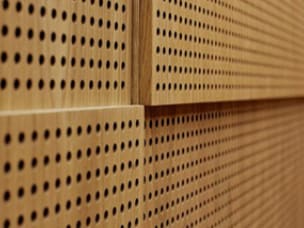
Acousstop Wooden Panels
Perf Panels
Elegant aesthetically pleasing design
View product
Doors and Movable Partitions
Wooden Doors
Drop and perimeter seals prevent sound leakage
View product
Specialized Products
Acousstop Silenz
High mass for superior airborne sound reduction
View product
Specialized Products
Acousstop Vibro Pad
Interlocking design for fast installation
View productStart the conversation
Planning a cinema, screening room, or studio?
Send the room drawings, intended use, and any target STC, NC, or RT60 values. We can help match the right isolation, door, wall, and ceiling products to the acoustic brief.